
Login

Customer Insight feature

The Customer Insight feature provides an overview of your customers and sales. These insights are connected with sales data from orders and quotations, allowing you to analyze how different customer segmentations contribute to your business over time and helping you better understand different customer groups and their behaviors. 

bg-big

Customer Insight dashboard

Permissions 

To access Customer Insight dashboard, users are required to have "CustomerInsightDashboard" role. The Customer Insight dashboard will appear under Dashboard menu.  

Filter by period 

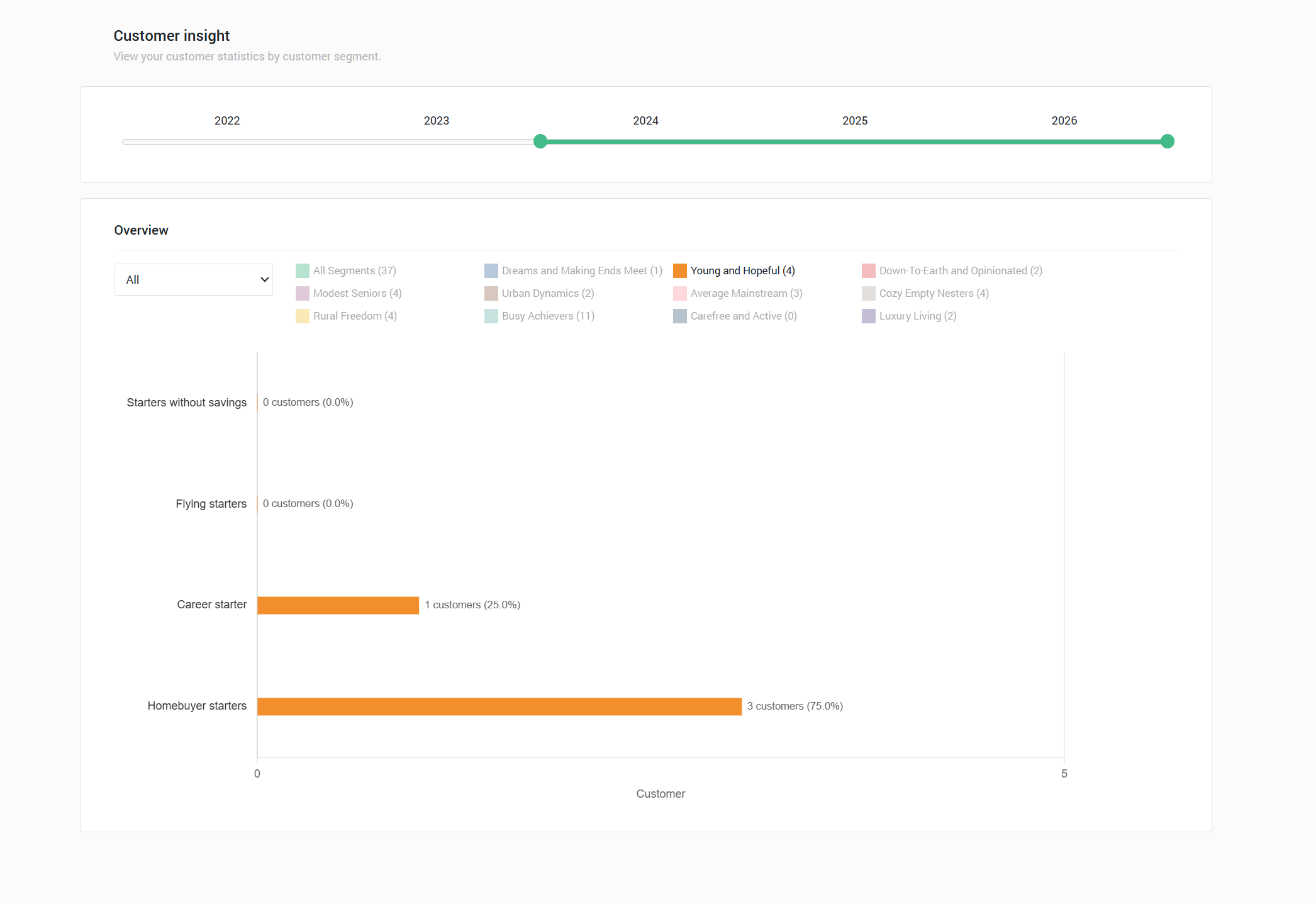
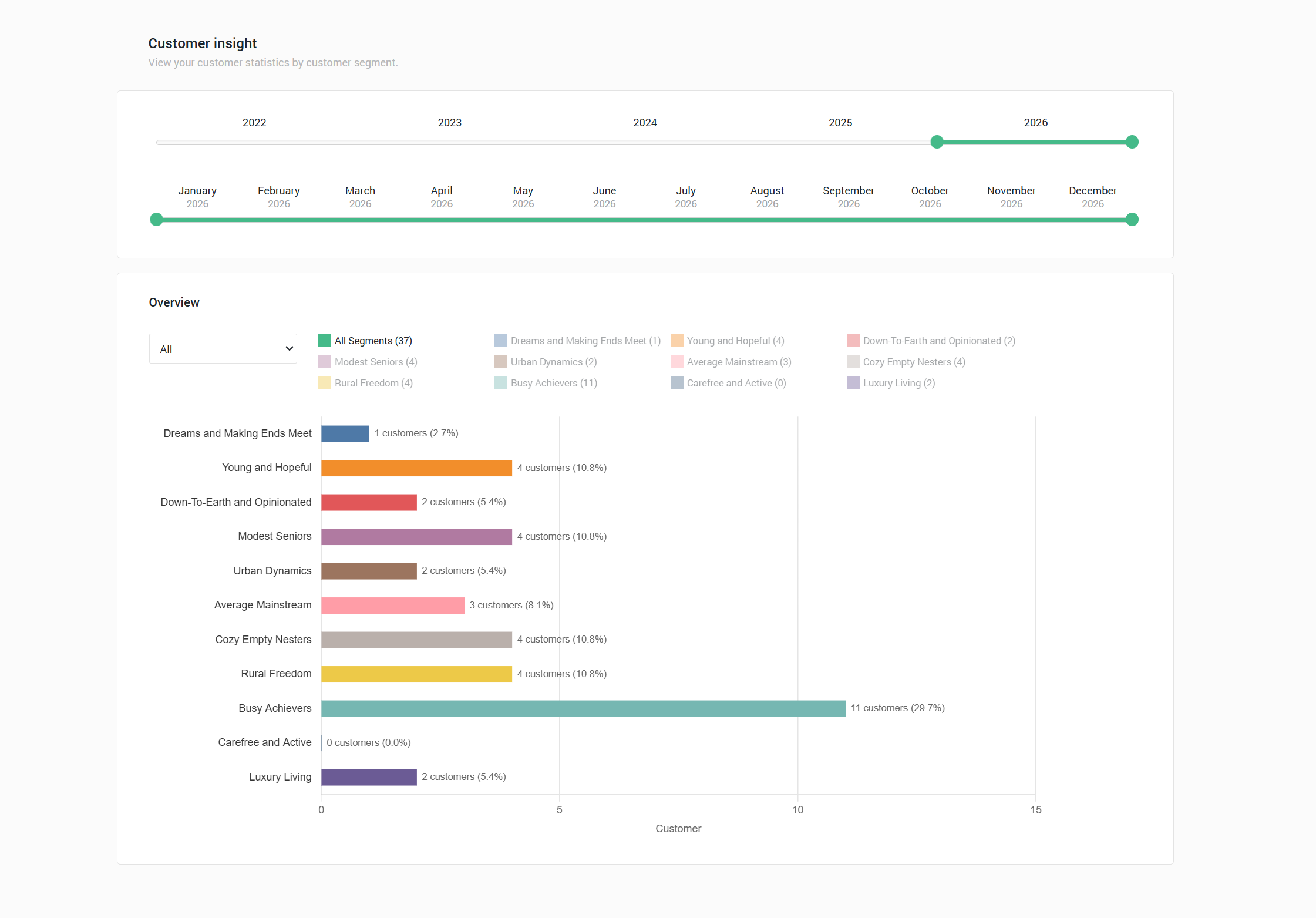
You can use the slider to filter the displaying data by year or month.   

Filter by sales 

You can select to see the Insight data based on orders, quotations or All.  

Filter by classifications 

You can click on the classifications to filter to see only their subdivisions.  


bg-big

Customer Insight for Address

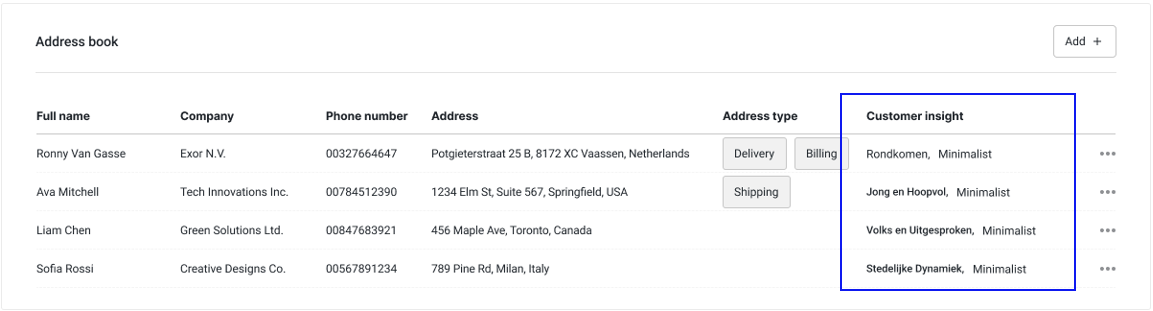
You can view the classification of Customer Insight for Address in the Address book section of Shop user detail page. Customer Insight is also editable for supporting manual data input.  


bg-big

Segments

 Customers are classified into 59 segments under 11 classifications based on their address details - postal code, house number and house number suffix - from orders and quotations in the Netherlands. The segments reflect socio-demography, lifestyle and behaviors, as well as their spending patterns.  


Note: 1 customer appearing in the graph represents 1 address.   


The segments are as follows: 

  1. Dreaming and Getting By 

            1. Getting by with kids: 

Parents aged 25–45 with young children. Having low-skilled work or on government benefits. Below average income. Limited spending, reliant on discounts. Minimal leisure activities. 

                     2. Getting by and single: 

Urban singles under 45, living in rented housing. Below average income. Having simple lifestyles and socializing via festivals and online games. Some pursue adult education for better opportunities. 

                     3. Getting by with teens: 

Parents aged 40-55 with teens aged 12–24. Below average income. Limited resources, often without a car, relying on public transport. Lifestyle centers on school, work, and teen activities. 

                     4. Getting by late in life: 

Singles aged 55+ with low life satisfaction. Below average income. Having simple, home-centered lives, focusing on TV, online games. Keeping in touch with family while prioritizing low-cost essentials. 

         2. Young and Hopeful 

                     1. Starters without savings: 

Young adults under 30 with limited finances in their early career. Below average income. Prioritizing social life, nightlife, sports, and relationships. Low satisfaction with living environment. 

                     2. Flying starters: 

Students or recent graduates under 30 with strong career prospects. Below average income. Living in small property or student accommodation. Engaged in current affairs and personal development. 

                     3. Career starter: 

Under 40 professionals with slow but stable growth paths. Average income. Satisfied with lives. Enjoy fitness, festivals and magazine. Highly active online. 

                     4. Homebuyer starters: 

Under 40 professionals who have bought their first home. Financially stable with average income. Living in urban areas close to work. Culturally engaged and interested in well-being, mainstream entertainment and gadgets.  

        3. Down-to-earth and Opinionated 

                     1. First-time apartment tenants: 

Singles under 45 living in rented gallery flats or student flats in city. Students, jobseekers or work part-time job. Below average income. Having home-based lifestyles with entertainment like gaming or watching films.

                     2. Local single tenants: 

Singles aged of 18–45 in rented terraced home in working-class neighborhoods. Often unemployed or work basic jobs. Below average or average income. Having home-centered lifestyle with entertainment like online gambling or gossip media.  

                     3. Young renting families: 

Parents aged 25-45 with children under 11. Living in a rented terraced house in outlying neighborhoods of towns. Average income. Child-focused lifestyle with interest in parenting, education, and family activities. 

                     4. Local mid-life tenants: 

Singles or couples aged 45–60 without children. Living in mid-terrace or corner house in the working-class districts of towns. Average income. Having basic job or being unemployed due to physical or mental limitation. Interested in pets and cars. 

                     5. Mature renting families: 

Parents aged 45–65 with older or grown children. Living in rented terraced homes in small towns or villages. Average income. Spending most time on for family and friends on social media. Interested in films and fast cars.  

                     6. Mid-life apartment tenants: 

Singles or couples aged 40–65 living in small urban apartments. Below average income. Work basic or vocational jobs or unemployment. Home-centered lifestyle with TV and simple online games. 

                     7. Local basic homebuyers: 

Couples aged 45–65 with children over 18. Modest income and mortgage. 1 or 2 times average. Living in small-town neighborhoods. Most of them own a car. Having practical lifestyle with strong interest in DIY. 

       4. Modest Seniors 

                     1. Younger terraced seniors: 

Singles or couples aged 60–75, living in rented terraced homes in small towns or villages. Average income. Relatively healthy and active, with lifestyles centered on outdoor activities such as walking, cycling, and gardening in a quiet, community-oriented environment. 

                     2. Contented apartment seniors: 

Seniors aged 65+, mostly single. Living in comfortable rented apartments in pleasant areas. Average income. High life satisfaction. Active lifestyles including walking and cycling, with interests in news, culture, and social outings such as theatre and musicals. 

                     3. Older terraced seniors: 

Seniors aged 70+, living alone or with partners in rented terraced homes in towns or villages. Below average income. Limited mobility, reliant on walking aids and public transport. Having simple routines focused on health, light activities. Staying informed through the news. 

                     4. Frugal apartment seniors: 

Seniors aged 65+, often living alone in lower-value rented apartments. Below average income. Limited financial resources for the occasional extras. Lower life satisfaction. Home-centered lifestyle with online games and news consumption.  


        5. Urban Dynamic 

                     1. First-time city buyers: 

Urban adults under 45, mostly single. Owning first apartments in affordable city areas. Average income. Early in property ownership. Lifestyle focused on convenience, social activities, and urban amenities such as sports, festivals, and cultural events. 

                     2. Hip and urban: 

Affluent singles under 45. Renting high-value apartments in prime urban areas. Average income. Trend-conscious, lifestyle-driven, with strong interest in design, sustainability, and premium urban living, including eco-friendly shopping and cultural experiences. 

                     3. Urban homebuyer families: 

Parents aged 25–45 with young children. Owning lower-value homes in urban areas. Average or 1 or 2 times average income. Moderate satisfaction. Family-focused lifestyle with interest in children’s content, education, and daily convenience near schools and amenities. 

                     4. Busy metropolitan families: 

Urban parents aged 30–50 with children in varying ages. Living in high-value rental apartments. 1 or 2 times average income. Active and health-conscious lifestyle. Balancing work, parenting, and routines with interest in news and fitness. 

                     5. Established urbanites: 

Adults aged 40–60 living in owned apartments in suburban areas near cities. Financially stable. Average or 1 or 2 tomes average income. Preferring quieter environments with access to urban amenities. Lifestyle focused on convenience, culture, and personal well-being. 

        6. Average Mainstream 

                     1. Young and average: 

Singles or couples aged up to 45 without children. Living in their own terraced homes. Living a good life with steady income enough to spend on fun and relaxation. Average or 1 or 2 times average income.  

                     2. Average with pre-schoolers: 

Parents aged of 25-40 with young children below school age. Living in their own terraced homes. Average or 1 or 2 times average income. Daily life focused on childcare, routines, and early development, with leisure activities such as family outings, parks, and home-based entertainment. 

                     3. Average with kids: 

Parents aged of 30-45 with primary school-aged children. Living in their own terraced house in a village or town close to schools and facilities. 1 or 2 times average income.  

                     4. Average with teens: 

Parents aged 35–60 with teenage children, living in terraced house. 1 or 2 times average income. Busy, structured lives balancing work and parenting. Leisure time spent on reading AD, playing video games, watching team sports with a strong social dimension, such as (five-a-side) football.

                     5. Mid-life and average: 

Adults aged 40–60, often empty nesters, living alone or as couples in owned terraced homes. Average or 1 or 2 times average income. Living quiet and orderly life. Interested in home improvement, DIY, gardening and cars.  

                     6. Average with school leavers: 

Couples aged 45–65 with young adult children, living in own terraced or semi-detached house. Double the average income. Interests include home improvement. Leisure time spent on watching TV shows and browsing magazine. 

        7. Cozy Empty Nesters 

                     1. Straightforward and winding down: 

Adults aged 55–65 approaching retirement, with grown children. 1 or 2 times average income. Transitioning to a more relaxed lifestyle focused on leisure, socializing, and hobbies such as cycling, gardening, sports, and cultural activities. 

                     2. Straightforward and comfortable: 

Childless couples aged 60–75 living in their own spacious homes in small towns or villages. Financially comfortable with 1 or 2 times average income. Enjoying travel, outdoor activities, and a broad interest in current affairs, social topics, and personal interests.

                     3. Simply straightforward: 

Seniors aged 60–75 living simple, traditional lifestyles in small towns. Average or 1 or 2 times average income. Home-centered routines with TV and local news, strong family connections, and occasional cultural outings, while enjoying time with children and grandchildren. 

                     4. Straightforward apartment owners: 

Adults aged 60+ living in their own apartments after children have left home. Average or 1 or 2 times average income. Independent and moderately active, with interests in light exercise, media, and current affairs, maintaining a balanced and comfortable lifestyle. 

                     5. Straightforward seniors: 

Seniors aged 70+ living simple, social lives in small towns or villages. Average or 1 or 2 times average income. Lower activity levels but still engaged in light hobbies, with routines centered on home life, news consumption, and maintaining social connections. 

        8. Rural Freedom 

                     1. Younger outdoor types: 

Under 55, self-employed and home-based. 1 or 2 times average income. Enjoy rural living, hobbies like horses or classic cars, and country lifestyle content. Value independence and niche interests. Having a nature-focused lifestyle. 

                     2. Outdoor types with kid: 

Aged 30–50 with young children up to 17, balancing busy family life in a rural setting. 1 or 2 times average income. Focus on raising children, education, and managing daily routines across longer distances in quieter areas. 

                     3. Simple outdoor life: 

Aged 55–75, living modestly without children at home. Average income. Lead a simple, quiet lifestyle centered on gardening, animals, and local community life, with strong interest in nearby events. 

                     4. Outdoor types with school leavers: 

Aged 45–65 with grown or graduating children. Double the average income. Gaining more personal time, often shifting to hobbies or small businesses. Interested in home improvement, outdoor activities. 

                     5. Wide open spaces: 

High-income households aged of 55-75 in spacious homes. More than double the average income. Often running home-based or agricultural businesses, with a focus on personal and professional development and leisure activities like sailing. 

                     6. Successful outdoors types: 

Aged 55+ high-income individuals in premium countryside homes. More than double the average income. Remain active with interests in investments, equestrian sports, and financial news.  

                     7. Senior outdoor types: 

Aged 60+, enjoying a slower rural lifestyle without children at home. 1 or 2 times average income. Spend time on home and garden upkeep, walking, cycling, and following regional and national news. 

        9. Busy Achievers 

                     1. Career professionals with pre-schoolers: 

Aged 25–40, balancing between careers and childcare. 1 or 2 times average income. Life is highly planned, managing work alongside childcare support. Balancing between professional tasks and hands-on parenting. 

                     2. Career professionals with kids:  

Aged 35–45 with school-age children. Double the average income. Strong focus on children’s education, structured schedules, and managing both work and family commitments. 

                     3. Career professionals, no kids: 

Under 50, singles or couples focused on career growth living in expensive homes. Double the average income. Mostly self-employed and home-based. Focused on professional growth, with time dedicated to work, personal interests, and home environment. 

                     4. Young successful families: 

Aged 30–50, high-income families with children up to 18. Living in expensive detached or semi-detached property. More than double the average income. Manage demanding careers, children's schooling and active social lives.  

                     5. Career professionals with teens: 

Parents aged 40–55 with more independent teenagers (12–17). Double the average income. Regaining personal time to focus on work and personal time as children manage more of their own routines. 

                     6. Career professionals with school leavers: 

Aged 45–60, financially stable with older children finishing school. Double the average income. Enjoy more freedom for travel and personal time, while still managing demanding careers and household responsibilities. 

                     7. Mature successful families: 

Aged 45–65, financially successful and socially active. More than double the average income. Balancing work, social life, and personal interests, with a focus on maintaining an engaged and comfortable lifestyle. 

        10. Carefree and Active 

                     1. Still work, enjoy life: 

Aged 45–60, active in careers with children no longer at home. Double the average income. They have more free time for personal interests like investments, classic cars, fitness, gadgets, and staying informed through media. 

                     2. Urban culture lovers: 

Aged 50–75, living in central city apartments close to cultural hubs. 1 or 2 times average income. Highly engaged in politics, literature, and cultural activities. Enjoy reading current affairs and engaging in discussions on social and intellectual topics. 

                     3. Comfortable apartment lovers: 

Aged 65+, living alone or as couples in spacious apartments. 1 or 2 times average income. Enjoy a relaxed lifestyle with interests in travel, news, music, and leisure activities like cycling or golf, with a strong focus on comfort and routine. 

                     4. Enjoying later life: 

Aged 65+, retired and living as couples in well-valued homes. Double the average income. Have ample free time for hobbies like gardening, reading, and sports, while remaining interested in broader topics like economics and politics. 

                     5. Successful and enjoying life: 

Aged 55–80, affluent couples in large, high-value homes. More than double the average income. Remain active with interests in business, investing, golf, reading, and staying engaged with political and cultural developments. 

        11. Luxury Living 

                     1. Young elite: 

Aged 40–55, affluent singles or couples. Lifestyle centered on entrepreneurship, investments, and frequent luxury travel. More than double the average income. Social circles and status are important, with regular exposure to high-end experiences and destinations. 

                     2. Elite family life: 

Aged 40–60, wealthy families living in high-end homes with children (6-24). More than double the average income. Focused on family life and children’s education. Balance active careers with a refined, comfortable lifestyle in a quiet, premium setting. 

                     3. Elite urban living: 

Affluent, active individuals at any ages living in luxury city apartments. More than double the average income. Enjoy a dynamic urban lifestyle with work, socializing, and leisure activities, maintaining a high standard of living in prime locations. 

                     4. Exclusive elite: 

Aged 45+, top-tier wealthy individuals including entrepreneurs and heirs. Living in expansive high-value homes. More than double the average income. Focused on investments and maintaining a lifestyle of financial freedom and exclusivity. 

                     5. Elite later in life: 

Older affluent individuals living off investments in luxury villas. More than double the average income. Enjoy full financial freedom with time dedicated to leisure, travel, and ongoing interest in economic, cultural, and intellectual topics. 


Note: In case the shipping address is non-residential location, the address will not be classified into any segments, but its segment can be seen directly in shop user address book 


bg-big

Update segments

Segment updates apply only to addresses that meet the following criteria: 

                    - The country is set to “The Netherlands”  

                    - The address is used as a shipping or billing address in an order or quotation  

                    - Addresses created (e.g., via orderflow, admin, etc.) but not used in any order or quotation will not be assigned a segment  

                    - The associated orders or quotations are created on or after the configured Start Date 

The system automatically assigns a customer segment to an address when an order or quotation is created. If a segment cannot be retrieved due to a temporary technical issue, the system will retry and update the segment on the following day. Segment data is retained for up to 2 years and is automatically cleaned up afterward to ensure the data remains up to date. 

Important note: During the checkout process, if a customer edits an address that already has a segment, the system will attempt to refresh the segment up to 5 additional times to prevent excessive requests. 


bg-big

Guideline for a set-up

You will need to enable the Shop features in a Setting to retrieve segment data:

- Navigate to Setting > Shop feature
- Enable a feature “CustomerInsight”
- When enabling the feature, you can configure a “Start date.” This refers to the date an address was created. Only addresses used in order or quotations that are created from this date onward will be assigned segments. In case you do not want to identify the segments of the addresses in old orders or quotations, you can select the current date to include only new orders and quotations.

bg-big

View Total Usage 

Segment request usage at the organization level can be retrieved via the Public API usage endpoint (/api/v2/usages) and is also available on the Licenses & Usage Overview page in the Colengo.com account functionality. 

Please note that the addresses which have their segment assigned manually by the admin users will not be calculated in the usage.  

Enthousiast? Doe de quickscan


Zie direct of jouw maakbedrijf en ons platform een perfecte match zijn.

Boek een demo